
The Importance of Social Engagement in Elder Care Communities
Elder care communities are increasingly becoming essential havens for aging individuals. These communities support elderly residents by providing medical care, daily living assistance, and an environment encouraging social interactions. Social engagement is vital in these settings; it significantly contributes to the improvement of quality of life and health outcomes for elderly residents. As aging can often lead to increased isolation, fostering social connections in these communities becomes imperative. Without strong social bonds, elderly residents might experience declines in mental and physical well-being.
Reducing Risk of Physical Ailments
Social engagement has been shown to reduce the risk of developing physical ailments among the elderly. Older adults who maintain regular interactions with peers and participate in community activities tend to have stronger immune systems. This increased immunity helps in warding off illnesses and infections that are more common among isolated individuals. Furthermore, maintaining regular social routines can decrease the incidence of chronic conditions such as cardiovascular diseases. The connection between social interaction and physical health underscores the need for integrated care approaches in elder communities.
Encouraging Physical Activity
Social activities often encourage physical movement, contributing to better overall health. Group exercises, recreational sports, and community walks serve not only to keep residents engaged but also physically fit. Physical activities initiated in a social context tend to be more enjoyable and sustainable for the elderly. A community environment can motivate older adults to overcome physical discomfort to participate actively, given that these social interactions boost morale. Encouragement from peers during these activities can help sustain an active lifestyle among residents, crucial for maintaining muscle strength and cardiovascular health.
Improving Nutrition and Dietary Habits
Social dining experiences play a significant role in promoting better nutrition among elderly residents. Shared meals in communal settings can lead to improved eating habits, as meals become a social event, rather than a solitary necessity. This communal dining encourages residents to try varied diets, enhancing their nutritional intake. Research indicates that elderly people who eat together are more likely to consume balanced diets due to shared values of health within the group. Moreover, social encouragement from peers can persuade individuals to adhere to prescribed dietary regimens.
Linking The Connection Between Social Interactions and Physical Recovery
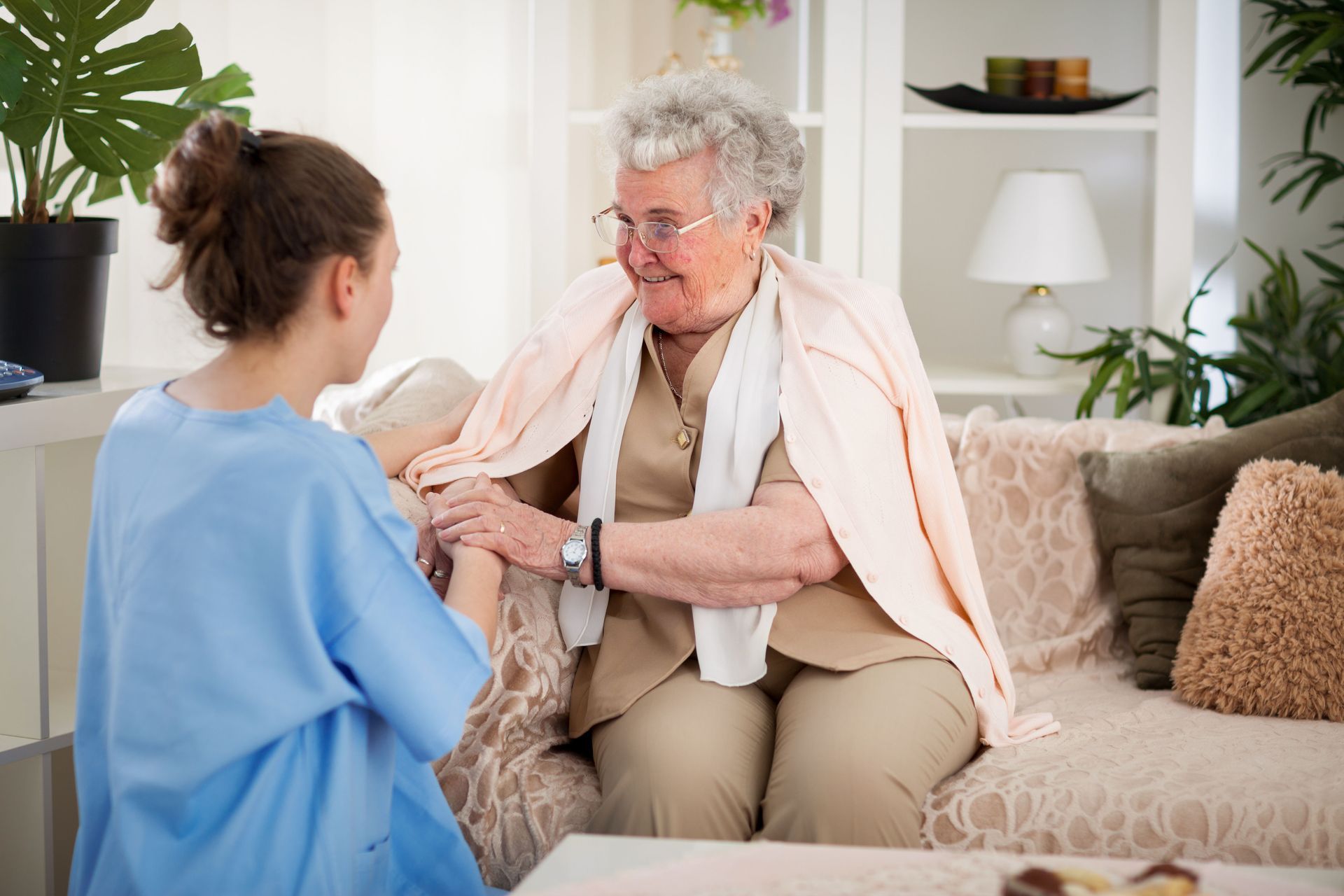
Social interactions have a profound effect on physical recovery in elder care settings. Contacts with friends and family can provide emotional support, which is pivotal for recovery from illnesses or surgeries. Human interactions instill a sense of hope and encouragement, motivating older adults to persevere through physical rehabilitation processes. Social engagement can also lessen the perception of pain, assisting in quicker recovery times. Studies suggest that residents in nursing homes who maintain strong social ties often recover faster than their isolated counterparts.
Exploring Longevity and Lifespan Extension via Social Channels
One of the most profound impacts of social engagement on health is its potential to extend lifespan. Engaging with peers, participating in group activities, and forming meaningful relationships contribute significantly to longevity. Socially active individuals typically experience lower levels of stress and a healthier cardiovascular profile. Community bonds provide emotional support that mitigates stress-related conditions that could otherwise shorten lifespan. As such, facilitating social engagement within elder care settings can not only enrich life but extend it.
Reducing Depression and Anxiety
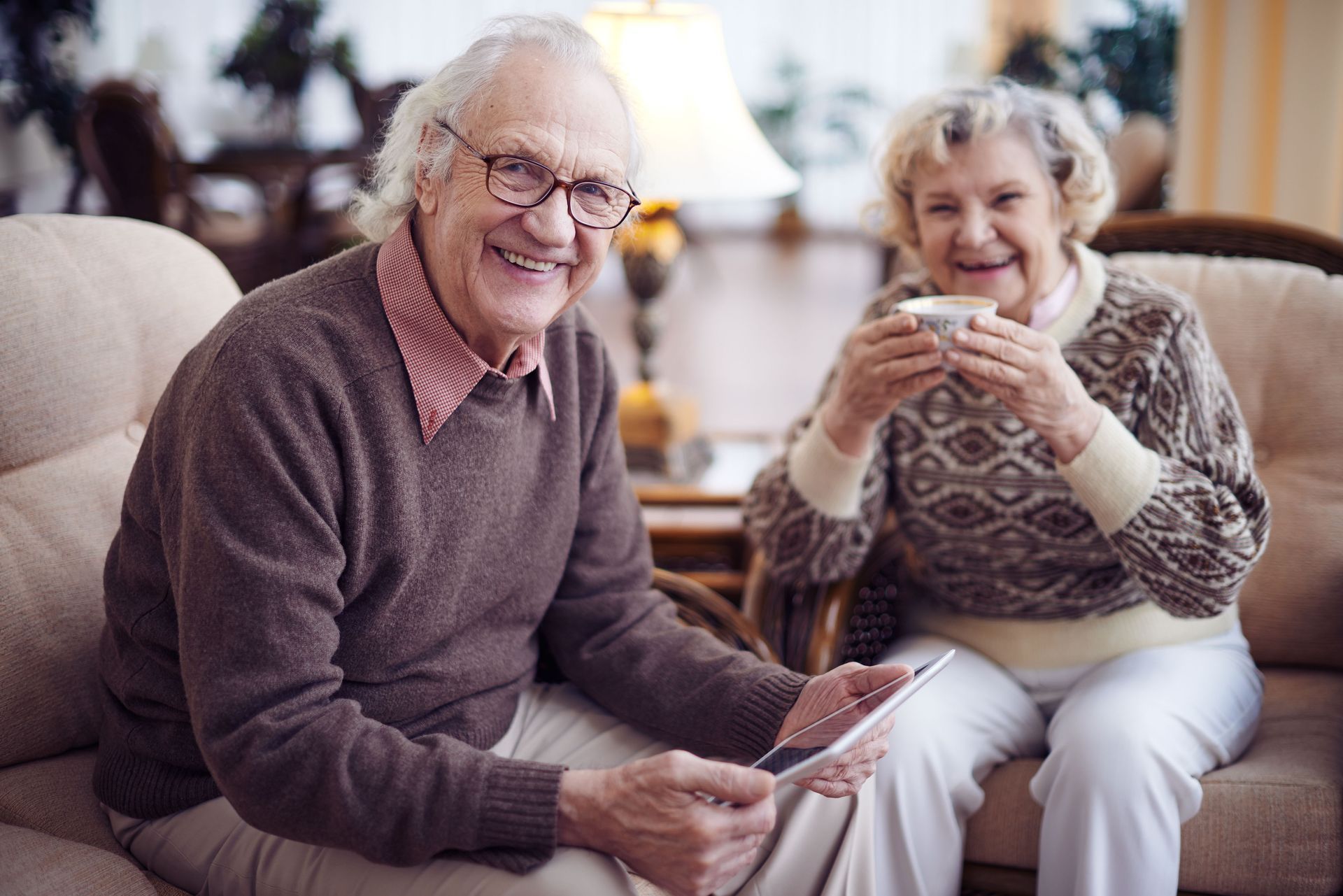
Social engagement among elderly residents has been shown to significantly decrease depression and anxiety. Regular interaction with peers and participation in group activities can provide emotional stability and reduce feelings of loneliness and isolation. Group interactions provide platforms for sharing experiences and challenges, leading to reduced stress. Having a support system within the community can alleviate mental health issues and build resilience. Social connections promote a sense of belonging, directly combating symptoms of depression and anxiety.
Boosting Cognitive Functions
Socially active individuals often exhibit improved cognitive functions compared to those who are isolated. Engaging in stimulating discussions and participating in mentally challenging activities can help in maintaining and enhancing brain health. Elder care communities provide opportunities for games, puzzles, and educational sessions that engage cognitive functions. Importantly, according to AHCA/NACL, more than 4 in 10 residents have Alzheimer's or another form of dementia, making cognitive stimulation crucial. Participatory social settings create environments that slow cognitive decline by keeping the brain actively challenged.
Providing Emotional Support Through Social Interactions
Emotional support derived from social interactions contributes significantly to mental well-being. In elder care communities, friendships formed can act as a crucial buffer against stress and emotional crises. Having someone to talk to about personal issues provides a relief valve for stressors that could otherwise elevate anxiety levels. Emotional support helps build resilience, which is critical in dealing with life's inevitable challenges and transitions. The emotional bonds created in communities help residents feel valued and understood, promoting emotional stability.
Enhancing Self-esteem and Purpose
Being part of a community can greatly enhance an elder's self-esteem and sense of purpose. Participation in community activities and roles can give residents a sense of accomplishment, boosting their confidence. When residents are acknowledged and appreciated within their communities, their self-worth is reinforced, leading to improved mental health. Engaging in purposeful activities ensures that elderly individuals feel valuable and needed in the community setting. This boost in self-esteem can have positive effects on overall mental and physical health, creating a fulfilling elder care experience.
Preventing Cognitive Decline and Dementia
Consistent social interaction plays a crucial role in the prevention of cognitive decline and dementia. Active participation in social and mentally stimulating activities delays the onset of cognitive impairments. Elder care communities that prioritize social engagement provide a protective effect against dementia-related conditions. Regular social involvement can increase mental agility, thereby delaying cognitive fading. As social engagement continues to gain recognition as a pillar of preventive dementia care, integrating this focus in senior living environments is vital.
Fostering a Sense of Belonging and Community
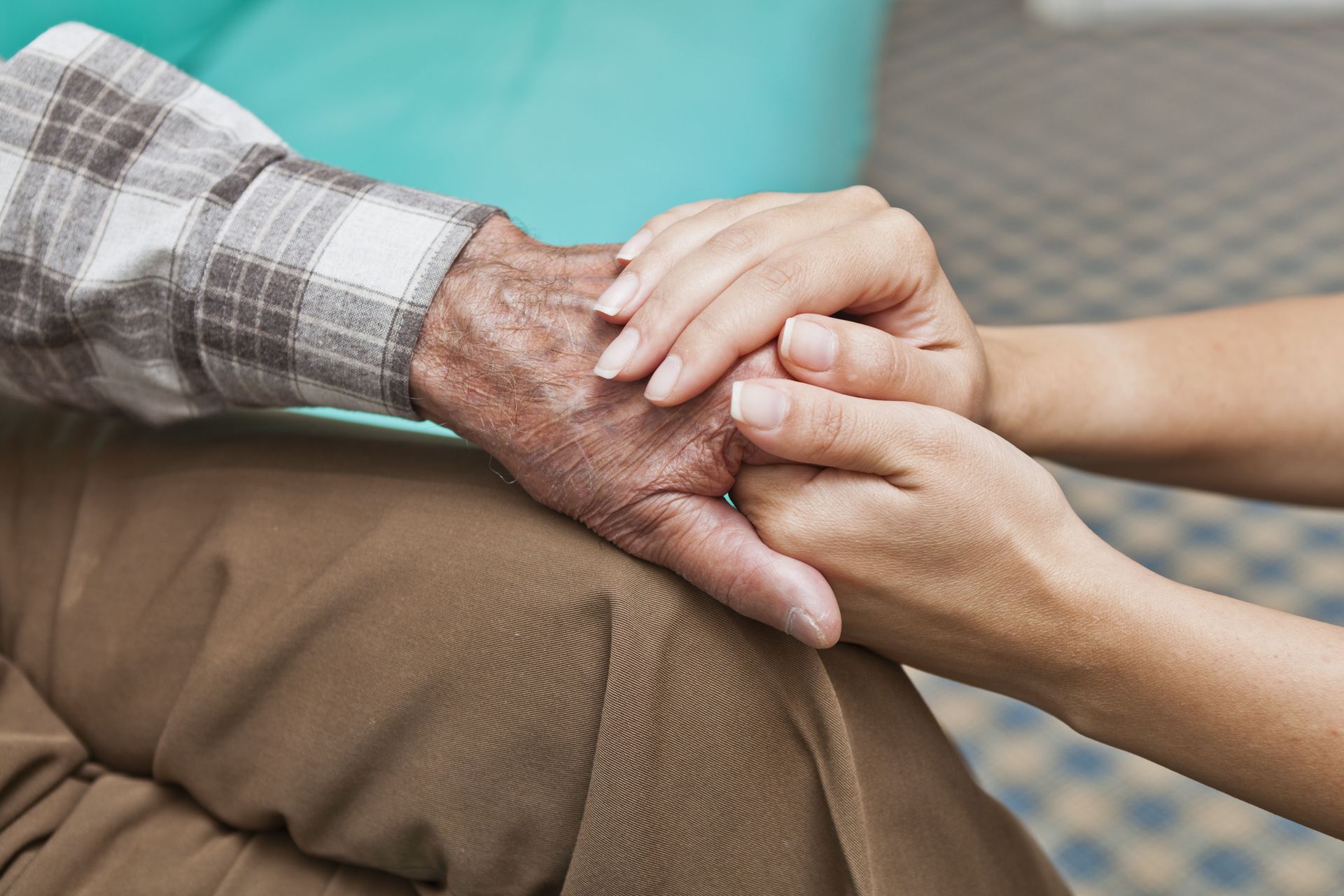
Elder care communities that emphasize interpersonal relationships create environments where residents feel connected and supported. Human connections are paramount to feeling valued and significant in any community setting. Strong relationships between residents bolster a unique sense of camaraderie and mutual understanding. By encouraging the natural development of friendships, older adults find comfort and ease in their living situation. These bonds are not only emotionally fulfilling but also stimulate engagement in various communal activities.
Creating a Family-like Environment
Recreating a family-like atmosphere within elder care communities offers residents a sense of belonging that transcends other social benefits. Such environments foster bonds that mimic those of family members, providing consistency and familiar support. Residents often form extended 'family units', sharing meals, partaking in group activities, and celebrating milestones collectively. This familial atmosphere provides the emotional warmth that many elderly residents seek, especially those who may be distant from their biological family. Establishing familial-style interactions can significantly reduce feelings of isolation among seniors.
Social engagement in elder care communities is indispensable for enhancing the well-being and quality of life of elderly residents. By fostering physical health, supporting mental well-being, and creating inclusive and vibrant communities, social engagement transforms senior living environments. Stakeholders must recognize the critical role social components play in elder care settings. Embracing novel solutions and collaborative approaches will drive the future of transformative and holistic elder care experiences. If you have a loved one in need of elder care near the Cincinnati, Dayton, and Northern Kentucky Areas, contact Eldercare Connections today.


Share On: