
What to Know About Elder Care Communities
The increasing importance of elder care communities is evident as the global population continues to age. With advancements in healthcare and longevity, there is a growing need for specialized environments catering to the elderly. These communities provide the opportunity for older adults to lead fulfilling and secure lives, surrounded by peers and supported by professionals. As families navigate the complexities of elder care, understanding the range of available options becomes crucial. Let's explore the multifaceted aspects of elder care communities, shedding light on their role in modern society.
Definition and Purpose
Elder care communities are specialized residential environments designed to meet the needs of older adults. These communities range from independent living arrangements to comprehensive assisted living facilities, each tailored to varying levels of care. The primary purpose of these communities is to provide a safe, nurturing environment where seniors can live independently while having access to necessary support and amenities. Elder care communities aim to enhance the quality of life for their residents by fostering a sense of belonging and community. As more individuals reach their senior years, the role of these facilities becomes increasingly significant in ensuring well-being.
With the global population aging rapidly, the presence of elder care communities has grown to accommodate the rising demand for senior living solutions. According to the World Health Organization, one out of every six individuals globally will be 60 or older by the year 2030. To address this demographic shift, elder care communities are essential in offering specialized care options that traditional home environments may lack. These communities prioritize not only physical and medical needs but also psychological and social well-being. As a result, elder care communities play a pivotal role in promoting healthy aging, enhancing the lives of seniors, their families, and society at large.
The Difference Between Elder Care and Assisted Living
While elder care and assisted living both address the needs of seniors, they differ in scope and focus. Elder care encompasses a broad range of services, including all types of senior living arrangements, health care services, and supportive environments that cater to the health and well-being of older adults. It includes everything from independent living to memory care and skilled nursing facilities, offering a wide spectrum of care levels. The aim of elder care is to support healthy aging while addressing the various aspects of seniors' lives, including medical, social, and psychological needs. In contrast, assisted living is a specific type of elder care focused on individuals who require help with daily activities but do not need the intensive medical supervision of a nursing home.
Assisted living communities are structured to provide residents with assistance while allowing a significant degree of independence. These facilities typically offer help with tasks such as bathing, dressing, and medication management, while also providing meals, housekeeping, and social activities. Assisted living is designed for seniors who are relatively independent but may need some assistance to maintain their quality of life. The setting encourages residents to engage actively in community life while having access to necessary support and guidance. Although assisted living is an integral part of elder care, it focuses more on daily living assistance than comprehensive healthcare.
Common Myths and Misconceptions
Several myths and misconceptions surround elder care communities, often stemming from outdated perceptions or lack of information. One common myth is that these communities lead to isolation and disconnection from family and friends. In reality, elder care communities emphasize social engagement and often boast active event calendars filled with recreational activities, enabling residents to build new relationships and stay connected with loved ones. While it's true that the transition to a new living environment can be challenging, the supportive nature of these communities facilitates adaptation and fosters a sense of belonging and companionship.
Another misconception is that elder care communities resemble institutionalized settings with minimal personalized attention. Today's communities have evolved significantly, offering personalized care plans that accommodate residents' specific needs while respecting their autonomy and preferences. Modern facilities boast environments that are warm, welcoming, and home-like, often equipped with amenities such as gardens, libraries, fitness centers, and communal dining areas. Staff members are trained to provide compassionate, attentive care, and many communities prioritize creating a familial atmosphere that helps residents feel at ease and respected.
Benefits of Elder Care Communities
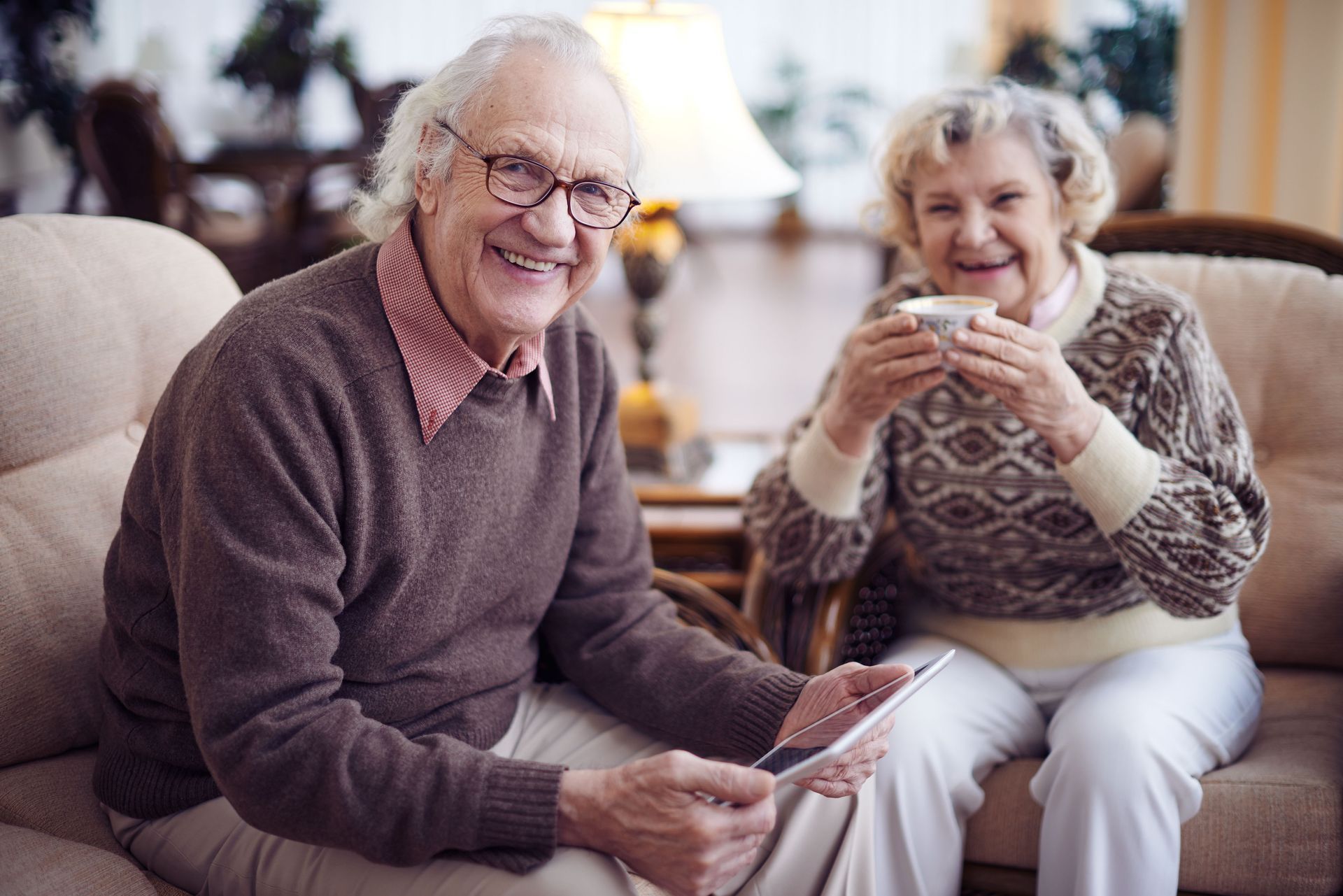
Elder care communities offer a host of benefits, starting with enhancing seniors' quality of life through a mix of autonomy, support, and access to necessary services. These communities provide environments that encourage active lifestyles and facilitate social engagement. The diverse range of activities ensures that residents remain physically and mentally stimulated. From fitness classes and art workshops to cultural outings and social gatherings, there's something for everyone, promoting both health and happiness. Being surrounded by peers fosters a sense of community, reducing feelings of loneliness and contributing to emotional well-being.
The convenience of having consolidated care services is another significant benefit. Elder care communities often have medical professionals on-site, providing immediate attention to residents' health needs and regular health check-ups. Regular monitoring and prompt response to medical issues can significantly enhance seniors' safety and well-being. Additionally, daily tasks such as housekeeping, meal preparation, and transportation are managed by the community, giving residents the freedom to focus on pursuits they enjoy, without the burden of managing the logistics of daily living. The combination of care and convenience makes these communities desirable for individuals and families seeking efficient and comprehensive support.
Health and Medical Services Offered
A primary feature of elder care communities is the robust health and medical services they offer. These services ensure that residents receive regular health oversight, preventive care, and timely medical intervention, contributing significantly to overall well-being. On-site healthcare professionals, including nurses and sometimes physicians, provide ongoing medical assessments and manage chronic conditions efficiently. In cases of acute illness or injury, immediate care is available, often reducing the need for external healthcare visits. Such comprehensive medical care is a cornerstone of elder care communities, offering families peace of mind that their loved ones are in good hands.
Personal Care and Assistance
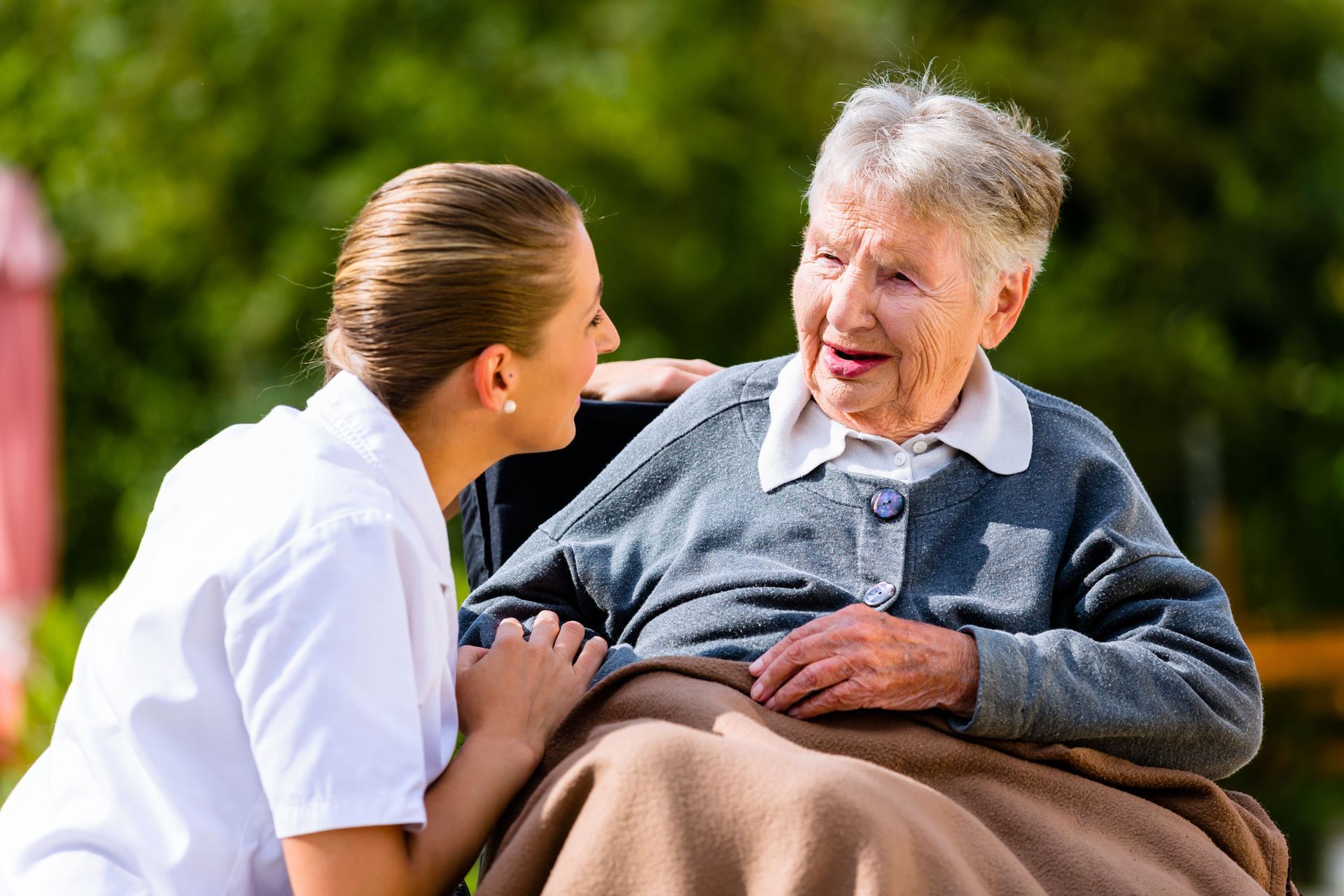
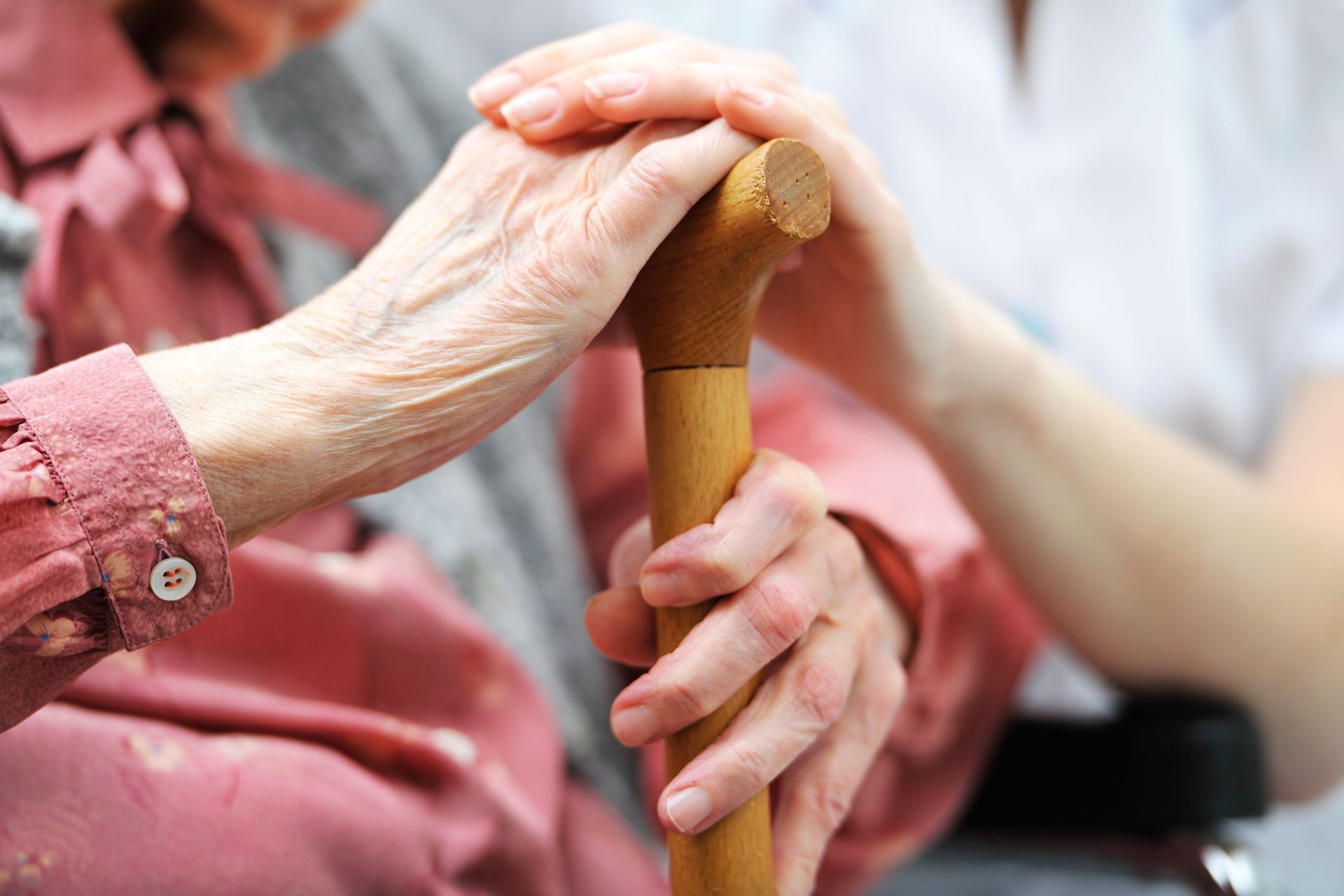
Personal care and assistance are fundamental services offered by elder care communities, and they are essential in supporting residents' daily functioning and independence. These services typically involve assistance with activities of daily living, such as bathing, dressing, grooming, and mobility. Having professionals assist with these tasks ensures that residents can maintain personal hygiene and comfort, which are vital for well-being and dignity. Importantly, caregivers provide this support while encouraging residents' independence to the greatest extent possible, accommodating individual preferences and routines.
Recreational and Social Activities
Recreational and social activities are integral components of the lifestyle in elder care communities, designed to enhance the well-being and enjoyment of residents. These activities cater to a broad range of interests and abilities, ensuring that there's something for everyone. From group exercise classes and arts and crafts sessions to movie nights and themed social gatherings, the variety of activities promotes engagement and connection among residents. Participation in recreational activities fosters friendships and strengthens community bonds, combating feelings of loneliness and isolation that can affect seniors.
Engagement in social activities plays a significant role in mental health and cognitive stimulation for seniors. Many elder care communities offer cognitive activities such as book clubs and puzzle-solving groups to keep the mind sharp and active. This continuous engagement reduces the risk of cognitive decline and enhances residents' self-esteem and confidence. Moreover, volunteering opportunities and intergenerational programs provide residents with chances to share their life experiences and skills, offering a sense of purpose and fulfillment. These diverse offerings highlight the community's commitment to fostering a vibrant, stimulating environment that meets the emotional and psychological needs of its residents.
In today's evolving landscape, elder care communities stand as a vital solution for supporting aging populations with dignity, comfort, and connection. By offering a blend of personalized care, medical support, and enriching social opportunities, these communities empower seniors to maintain independence while receiving the assistance they need. As families consider the best options for their loved ones, understanding the benefits and structure of elder care communities such as Eldercare Connections can lead to more confident, informed decisions that prioritize long-term well-being and quality of life. Reach out to us today to learn more.


Share On: